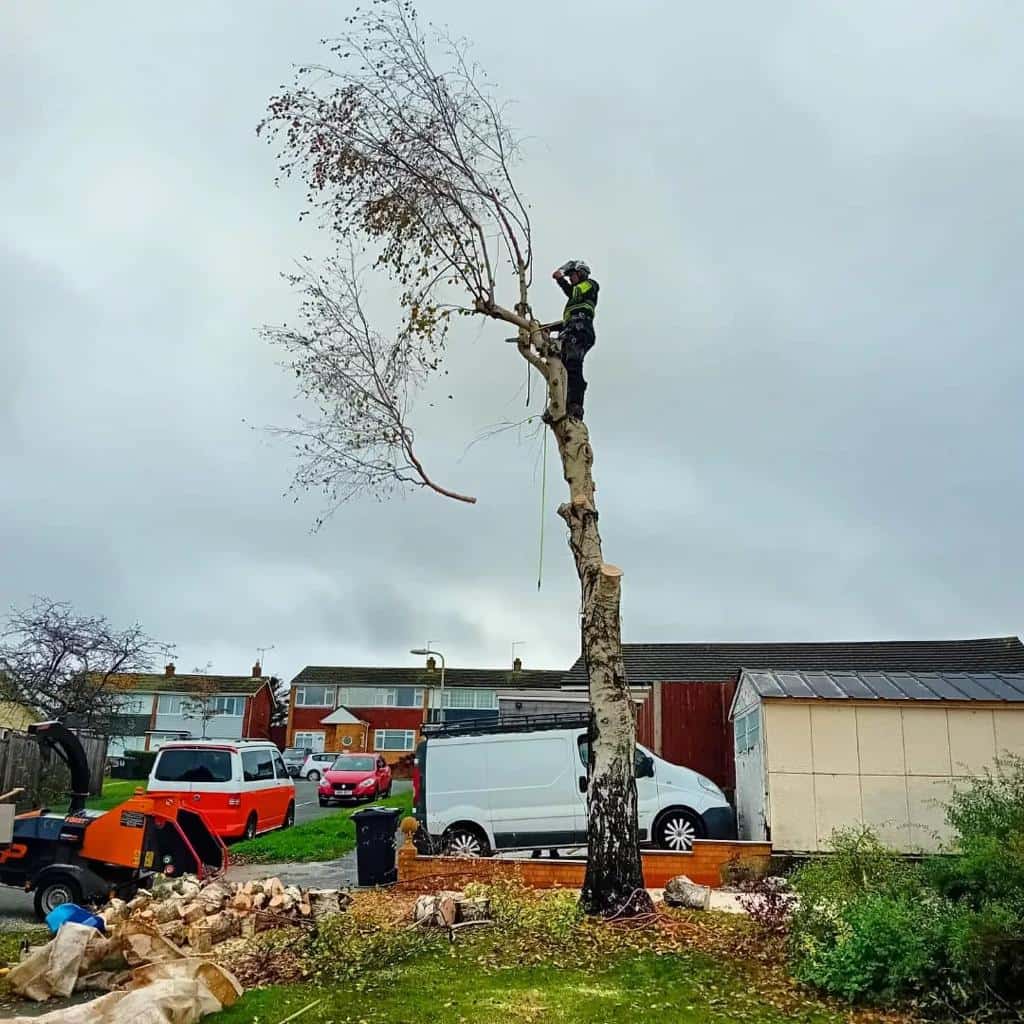
Trees are valuable assets that contribute beauty, shade, and character to a landscape. However, maintaining them properly is essential for their long-term health and safety. When a tree becomes overgrown, some property owners assume that cutting back large sections is the quickest solution. In reality, heavy cutting can often create more problems than it solves. Selective pruning is widely regarded as a far more effective approach because it improves the condition of the tree while preserving its natural structure.
For homeowners in Hayling Island, Hampshire, understanding the benefits of selective pruning can help ensure trees remain healthy, attractive, and resilient for years to come.
What Is Selective Pruning?
Selective pruning involves carefully removing specific branches to improve the tree’s health, shape, and structure. Rather than removing large portions of the canopy, the work focuses on targeted cuts that achieve a clear purpose.
These may include removing:
- Dead branches
- Diseased growth
- Weak limbs
- Crossing branches
- Areas causing imbalance
The aim is to enhance the tree rather than dramatically alter its appearance.
Preserving the Tree’s Natural Shape
One of the biggest advantages of selective pruning is that it maintains the natural form of the tree. Every species has a unique growth pattern that contributes to its appearance and structural stability.
Heavy cutting often disrupts this natural shape, leaving the tree looking unbalanced or unnatural. Selective pruning allows improvements to be made while preserving the tree’s visual appeal.
Reducing Stress on the Tree
Trees respond to pruning by directing energy towards healing and producing new growth. When large sections of the canopy are removed at once, the tree can experience significant stress.
Selective pruning minimises this impact by removing only what is necessary. This allows the tree to recover more efficiently and continue growing in a healthy manner.
Encouraging Stronger Growth
Targeted pruning encourages the development of stronger, better-positioned branches. By removing weak or competing growth, the tree can focus its resources on healthy development.
For trees in Hayling Island, Hampshire, this can improve long-term structure and reduce the likelihood of future problems.
Improving Safety Without Excessive Removal
Safety is often a major reason for tree work. However, improving safety does not usually require extensive cutting.
Selective pruning can remove hazardous branches while retaining the overall canopy. This reduces the risk of branch failure while preserving the many benefits the tree provides.
Better Resistance to Weather Conditions
A well-maintained tree is generally more capable of withstanding strong winds and adverse weather. Selective pruning improves airflow through the canopy and reduces the weight placed on vulnerable branches.
This balanced approach helps improve resilience without compromising the tree’s health.
Maintaining Wildlife Value
Trees often provide important habitats for birds, insects, and other wildlife. Heavy cutting can significantly reduce the shelter and resources available within the canopy.
Selective pruning retains much of the tree’s structure, allowing it to continue supporting local wildlife while still benefiting from professional maintenance.
Avoiding Unwanted Regrowth
When a tree is heavily cut back, it often responds by producing large amounts of rapid, weak growth. These shoots can become structurally poor and require further management in the future.
Selective pruning encourages more controlled and sustainable growth patterns, helping to maintain the tree’s health over the long term.
Supporting Long-Term Tree Health
Professional tree care should focus on the long-term wellbeing of the tree rather than short-term cosmetic changes. Selective pruning supports healthy development by removing problem areas while preserving the tree’s ability to function naturally.
This balanced approach often leads to stronger, healthier trees that continue to thrive within the landscape.
Why Professional Expertise Matters
Knowing which branches to remove and which to retain requires experience and an understanding of tree biology. Poor pruning decisions can affect both the appearance and health of a tree.
At LM Tree Surgery Hayling Island, we provide professional pruning services tailored to the needs of each tree. Our approach focuses on improving safety, structure, and health while preserving the natural beauty of the landscape.
Conclusion
Selective pruning offers significant advantages over heavy cutting. By carefully removing only the branches that require attention, it promotes healthier growth, improves safety, preserves the tree’s natural shape, and reduces unnecessary stress.
For property owners in Hayling Island, Hampshire, selective pruning is one of the most effective ways to maintain attractive and healthy trees while supporting their long-term development.
If your trees require professional attention, LM Tree Surgery Hayling Island can provide expert assessments and tailored pruning services. Careful tree management today can help ensure healthier, safer, and more resilient trees for the future.
Call us on: 023 8235 2063
Click here to find out more about LM Tree Surgery Hayling Island
Click here to complete our contact form and see how we can help with your tree needs.